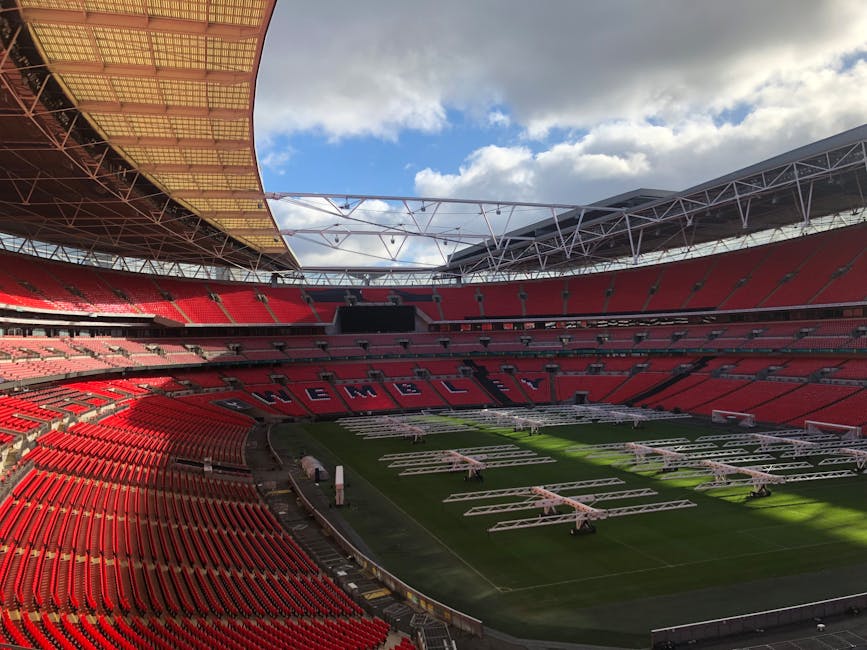
Wembley Stadium area garden services for Alperton businesses: a practical guide to keeping commercial outdoor spaces sharp
If you run a business in Alperton, the outdoor space around your premises does more work than people often realise. It shapes first impressions, affects staff comfort, and can either quietly support your brand or make the whole place look a bit tired. That is where Wembley Stadium area garden services for Alperton businesses come in. Done properly, commercial garden care is not just about trimming a hedge or mowing a lawn; it is about keeping entrances welcoming, boundaries tidy, and outdoor areas safe, usable, and consistent all year round.
This guide breaks down what those services usually include, how the process works, and how to choose the right support for a business environment. We will look at practical benefits, common mistakes, sensible standards, and a real-world example so you can make a confident decision without overcomplicating it. To be fair, outdoor upkeep is one of those jobs that is easy to ignore until it suddenly becomes very visible.
- Why it matters
- How it works
- Key benefits
- Who needs this and when it makes sense
- Step-by-step guidance
- Expert tips for better results
- Common mistakes to avoid
- Tools, resources and recommendations
- Law, compliance, standards, or best practice
- Options, methods, or comparison table
- Case study or real-world example
- Practical checklist
- Conclusion
- Frequently asked questions
Why Wembley Stadium area garden services for Alperton businesses Matters
For businesses in and around Alperton, the Wembley Stadium area is a busy, visible part of North West London. Footfall can be seasonal and event-driven, roads stay active, and nearby commercial sites often need to look presentable even when staff are flat out inside. A tidy external space signals that a business is organised, attentive, and takes standards seriously. That matters whether you manage offices, retail units, hospitality premises, shared courtyards, or trade sites with public-facing frontage.
Garden services in a commercial setting are not really about "garden beauty" in the private-home sense. They are about neatness, safety, access, and maintenance discipline. A few overgrown shrubs near a doorway can block sightlines. A slippery patch of moss on a path can become a nuisance. Uncut grass can make the whole site feel neglected, even if the work inside is excellent. People notice. They always do.
There is also a practical side. Commercial sites near Wembley often need outdoor work scheduled around trading hours, deliveries, parking limitations, and other moving parts. The right service provider understands that the job must fit around business life, not the other way round. That is why local garden care is best treated as part of overall premises management, not as an occasional clean-up when things get bad.
If you are reviewing your wider service setup, it can help to look at the broader services overview first, then narrow in on the combination of mowing, hedge work, clearance, and ongoing maintenance that matches your site.
How Wembley Stadium area garden services for Alperton businesses Works
Commercial garden services usually start with a site assessment. That means looking at what is actually there, how often it grows back, and what kind of use the area gets. A small office courtyard with a few planters needs a different rhythm from a restaurant frontage, a warehouse boundary, or a mixed-use block with shared external space.
In practice, the process often follows a simple pattern:
- Initial review: The site is checked for maintenance needs, access issues, waste volume, and any hazards.
- Scope agreed: Services are chosen, such as mowing, hedge trimming, garden clearance, or light landscaping.
- Schedule planned: Work is arranged weekly, fortnightly, monthly, or seasonally depending on growth and visibility.
- Carry out the work: Tasks are completed with minimal disruption, usually outside the busiest trading window where possible.
- Waste removed or recycled: Green waste, cuttings, and debris are cleared responsibly, leaving the site usable and presentable.
- Ongoing monitoring: The frequency can be adjusted after the first few visits if the site grows faster or slower than expected.
A good provider will not simply "turn up and tidy." They will notice patterns. For example, one side of a property may get more shade and stay damp longer. A hedge beside a car park may need more frequent shaping because it becomes visually messy faster than the rest of the boundary. These small details matter a lot in commercial work.
Where a site needs larger-scale work, a one-off garden clearance may be the best first step before regular maintenance begins. That clears the slate, which is often the only sensible way to start.
Key Benefits and Practical Advantages
The obvious benefit is appearance. A neat frontage, trimmed hedge, and well-kept lawn make a business look cared for. But the deeper advantages go beyond cosmetics, and that is where commercial decision-making gets interesting.
- Better first impressions: Visitors see order and professionalism before they even step inside.
- Lower safety risk: Clear paths, trimmed growth, and reduced debris help limit avoidable slips, trips, and access problems.
- More reliable upkeep: Regular visits stop small jobs becoming expensive resets.
- Improved staff experience: A clean outdoor area is nicer for breaks, smoking areas, and day-to-day movement around the site.
- Stronger seasonal control: Spring growth, summer dryness, autumn leaf fall, and winter mess are handled before they become an issue.
- Better use of outdoor space: If you have decking, planting beds, or seating areas, they can actually be used rather than avoided.
There is a commercial rhythm to this that people sometimes miss. A premises that looks consistently looked after tends to feel easier to trust. That may sound simple, but in the real world it affects how clients, tenants, and even suppliers read the property. It also saves staff from doing awkward little "just before visitors arrive" scrambles. We have all seen those.
If your site includes lawned areas, regular lawn mowing can keep the whole place looking structured without overdoing it. If you have boundary planting or visibility-sensitive edges, hedge trimming helps stop things looking soft and unruly.
Who This Is For and When It Makes Sense
This type of service is relevant to a wide mix of Alperton businesses, and not all of them think of themselves as having "gardens" at all. In reality, many commercial sites have outdoor elements that need proper attention.
- Offices: Frontages, planter beds, small lawns, and communal outdoor spaces can drift into neglect very quickly.
- Retail premises: Access points, forecourts, and boundary planting shape customer perceptions.
- Hospitality sites: Outdoor seating, entrance beds, and side access routes need to stay clean and calm-looking.
- Warehouses and industrial units: Even plain boundaries need cutting back, clearing, and occasional tree work.
- Managed residential blocks: Shared gardens and paths need regular, repeatable maintenance.
- Landlords and property managers: A tidy external area helps reduce complaints and makes inspections easier.
It makes sense to invest in commercial garden care when one or more of these signs appear:
- employees keep commenting that the outdoor area looks shabby
- moss, weeds, or litter are building up faster than your team can handle
- hedges or shrubs are hiding signage, entrances, or sightlines
- seasonal growth is becoming a monthly problem
- you are spending too much internal time on jobs that should be outsourced
Truth be told, if your team is repeatedly patching the same outdoor issues, you are already doing the job in an inefficient way. Regular support is usually cheaper in time and stress than repeated emergency fixes.
Step-by-Step Guidance
If you are deciding how to set up garden services for a business near Wembley Stadium, a structured approach keeps things sensible. No drama, no guesswork.
1. Walk the site properly
Start by looking at the whole premises as if you were a visitor. Where do people enter? Where does greenery block movement? Which areas look tidy now but are likely to become messy after two weeks of growth? That quick review often reveals the real priorities.
2. Separate essential work from nice-to-have extras
Some tasks are core maintenance, while others are more enhancement-based. For example, mowing, hedge cutting, and clearance might be essential. Decorative planting or hard landscaping may be helpful but not urgent. Separating these makes quoting much clearer.
3. Choose the right frequency
Fast-growing sites usually need a tighter schedule in spring and summer. Slower-growing courtyards or more sheltered spaces may only need monthly attention. There is no universal answer here, and anyone pretending there is probably has not seen enough different sites.
4. Make access and timing realistic
Commercial garden teams need to know where they can park, whether they need keys or escort access, and whether work should happen early morning, midweek, or outside customer hours. A small bit of planning prevents a surprising amount of friction.
5. Set expectations for waste and finish
Ask how cuttings, branches, and debris will be handled. Will everything be removed? Will some organic material be recycled or chipped? Will pathways and entrances be swept down afterwards? These little details are where quality really shows.
6. Review after the first cycle
After one or two visits, check whether the schedule is right. Maybe the hedge needs more frequent work. Maybe the lawn recovers quickly and needs less intervention. Good maintenance plans evolve. They are not fixed in stone.
Expert Tips for Better Results
Here are the small things that make a big difference in commercial garden care. These are the bits people often skip, then wonder why the site still looks "off".
- Match maintenance to the season: Growth surges in spring, but autumn leaf fall can be just as messy. Plan ahead rather than reacting late.
- Protect entrances and visibility: Trim back any planting that hides signs, cameras, lighting, or access points.
- Keep hard and soft landscaping in sync: A smart deck or paved area looks odd next to overgrown edges. The whole site needs to feel coherent.
- Use regular inspections: A two-minute walkaround after each visit catches small issues before they become obvious to clients.
- Think about weather exposure: North-facing or shaded parts may develop moss and dampness more quickly. Sunny spots may dry out and look tired instead.
- Keep a simple maintenance record: Not fancy, just enough to track what was done and when.
In our experience, the most effective commercial gardens are not the most elaborate. They are the most consistent. Everything feels intentional. Nothing is fighting for attention.
If your site includes surfaces beyond planting, you may also want to consider landscaping or targeted decking services where suitable, especially if you are trying to turn an underused corner into a usable staff or customer space.
Common Mistakes to Avoid
A lot of businesses only make garden care decisions once the outdoor space is already causing problems. That is understandable, but a bit reactive. Here are the mistakes that come up most often.
- Waiting too long: Overgrowth is more expensive and disruptive to clear than light, regular maintenance.
- Using a one-size-fits-all schedule: A site with trees, hedges, and lawns will not behave like a flat paved forecourt.
- Ignoring waste volume: Some jobs create a lot more green waste than expected, and that needs planning.
- Forgetting seasonality: What works in October may be wrong by May.
- Not checking insurance and safety: Commercial premises should not be treated casually.
- Only judging on price: The cheapest option can become the most expensive if work is rushed, incomplete, or poorly timed.
Another common issue is asking for "just a tidy-up" without explaining what tidy actually means. Does that include lawn edging, weed removal, hedge shaping, leaf collection, or cutting back around signage? Say it clearly. A lot of wasted effort comes from fuzzy instructions, and that is nobody's favourite surprise.
Tools, Resources and Recommendations
You do not need to become a gardening expert to manage this well, but it helps to know what tools and service types are commonly involved. That way, you can ask better questions and spot whether a proposal is realistic.
| Need | Typical approach | Best for | Notes |
|---|---|---|---|
| Lawn control | Regular mowing and edging | Offices, retail frontages, shared lawns | Most effective when kept consistent rather than left to grow long |
| Boundary tidiness | Hedge trimming | Sites with screening, privacy planting, or frontage beds | Useful for keeping sightlines open and avoiding a closed-in look |
| Resetting neglected areas | Garden clearance | Vacant units, overgrown corners, end-of-tenancy sites | Often needed before maintenance can begin properly |
| Longer-term planning | Landscape gardening or landscaping | Sites being improved for staff use or customer appeal | Best when you want functional outdoor space, not just tidiness |
| Tree and large growth control | Tree lopping and removal where appropriate | Large sites, shaded boundaries, obstructive trees | Needs careful planning and the right safety approach |
A useful practical recommendation is to keep one page of notes for your site: access arrangements, preferred visit days, key areas of concern, and anything that changes seasonally. It sounds basic, but it makes quotes and ongoing service much smoother.
If sustainability matters to your business, ask how green waste is managed and whether the provider follows responsible recycling habits. You can also review the company's recycling and sustainability approach to understand how waste and materials are treated in a more thoughtful way.
Law, Compliance, Standards, or Best Practice
For commercial garden services, the main compliance question is usually not about one specific "garden law". It is about safe working, appropriate access, sensible waste handling, and keeping the site free from avoidable hazards. Businesses have a general duty to manage their premises responsibly, and garden work should support that rather than complicate it.
In practical terms, this means a few things:
- Risk awareness: Uneven ground, hidden debris, wet surfaces, and falling branches need to be considered before work begins.
- Safe access: Contractors should know how to get in, where to work, and which parts of the site are restricted.
- Insurance and accountability: It is sensible to work with a provider that can explain how it manages safety and public-facing sites.
- Waste responsibility: Green waste, arisings, and cleared materials should be handled properly rather than left in piles.
- Minimal disruption: Good commercial practice means planning work so customers, staff, and deliveries are not unnecessarily affected.
For businesses that need reassurance, it is worth asking directly about service safeguards and site procedures. A provider with clear policies is usually easier to trust. You can also look at the company's health and safety policy and insurance and safety information to see how that side of the work is handled.
One small but important best-practice point: do not treat tree work casually. Branch size, proximity to buildings, and access all matter. If a tree needs reduction or removal, it should be assessed properly and approached with care. That is where tree lopping and removal becomes relevant, especially on sites where tall growth affects light, safety, or boundaries.
Options, Methods, or Comparison Table
Not every business needs the same level of service. Sometimes a light recurring visit is enough. Other times you need a full reset followed by a scheduled plan. Here is a straightforward comparison.
| Approach | Best when | Advantages | Limitations |
|---|---|---|---|
| One-off tidy-up | You have a site that has fallen behind or needs a quick presentation boost | Fast improvement, useful before inspections or events | Problems usually return unless follow-up maintenance is arranged |
| Regular maintenance | You want consistent presentation with less internal effort | Stable appearance, easier planning, fewer surprises | Requires a standing schedule and ongoing budget |
| Clearance plus maintenance | The site is overgrown or has been neglected for a while | Best for resetting the space and creating a fresh baseline | Takes more initial effort and may involve more waste removal |
| Landscape improvement | You want the outdoor area to become genuinely useful or more polished | Can improve staff use, customer experience, and long-term value | Needs planning, design sense, and a bit more lead time |
If you are unsure which route fits your premises, a good starting point is a service conversation around your actual site condition rather than a generic package. The right choice usually becomes obvious once the outdoor space is looked at in context. Funny how that works.
Case Study or Real-World Example
Here is a realistic example based on the kind of site changes that happen often in the Wembley Stadium and Alperton area. Imagine a small professional services office near a busy road. The front garden is modest: a narrow lawn, a hedge line, a couple of planted beds, and a side access path that staff use for bins and deliveries.
Over time, the hedge starts creeping into the walkway. The lawn gets patchy because it is cut irregularly. Leaves gather in the corners. Nothing is disastrous, but the whole place starts looking a little scruffy, especially on Mondays after a wet weekend. Visitors do not say anything directly, of course, but the reception team notices.
The business decides to bring in regular garden support. The first visit focuses on clearance, hedge shaping, and a reset of the lawn edges. After that, the plan becomes lighter: routine mowing, seasonal hedge trimming, and quick sweeps of the access path. The change is not dramatic in a flashy way. It is quieter than that. The space simply starts to feel looked after again.
That is often the real win. Not a makeover, just calm consistency. Staff feel better arriving. The frontage stops bothering people. And the management team no longer has to worry whether the place looks half-finished before a client visit. Small thing, big difference.
Practical Checklist
Use this checklist before booking or renewing garden services for your business premises.
- Have you walked the whole site from a visitor's point of view?
- Do you know which areas are high priority: lawn, hedge, clearance, planting, or trees?
- Is there a realistic schedule based on how quickly your site grows or accumulates debris?
- Have you thought about access, parking, and preferred working hours?
- Do you know how waste will be removed or recycled?
- Have you checked the provider's approach to safety and insurance?
- Is there any landscaping or decking work that would improve how the outdoor area is used?
- Have you set expectations for finish quality, not just task completion?
- Would a one-off clearance help before starting regular maintenance?
- Do you have a simple way to review results after the first few visits?
If you want a broader maintenance plan rather than a one-off intervention, a scheduled garden maintenance arrangement is often the most efficient choice. It keeps the place steady, which is usually what commercial sites need most.
Get a free quote today and see how much you can save.
Conclusion
Wembley Stadium area garden services for Alperton businesses are really about control, presentation, and ease. When the outdoor area is managed well, the whole premises feels more organised and less demanding. Visitors notice it. Staff notice it. Even if nobody says much, the difference is felt immediately.
The smartest approach is usually the simplest: assess the site honestly, choose the right mix of mowing, hedge trimming, clearance, or landscaping, and keep the schedule realistic. If the space is more functional, safer, and easier on the eye, the business benefits in a dozen quiet ways. That is the kind of improvement that lasts.
And if you are still weighing things up, that is fine. A good plan starts with one clear look at the site and one sensible conversation. Sometimes that is all it takes to turn a neglected outside area into a proper asset.
Frequently Asked Questions
What do Wembley Stadium area garden services usually include for businesses?
They often include lawn mowing, hedge trimming, garden clearance, routine maintenance, and in some cases landscaping or tree work. The exact mix depends on the site and how much outdoor space needs attention.
How often should a commercial garden be maintained?
It depends on growth, season, and how visible the site is. Some businesses benefit from weekly visits in peak growing months, while others are fine with monthly or seasonal work. A short site review usually tells the truth quickly.
Is one-off clearance enough for an Alperton business site?
Sometimes, yes. If the area has become overgrown or cluttered, a clearance can reset it. But if you want the site to stay smart, regular follow-up maintenance is usually the better long-term answer.
What is the difference between landscaping and garden maintenance?
Maintenance keeps an existing space tidy and under control. Landscaping is broader and may involve changing the layout, improving planting, adding decking, or reshaping how the outdoor area works.
Do businesses near Wembley Stadium need special timing for garden work?
Not special in a legal sense, but practical timing matters. Event traffic, deliveries, customer visits, and parking can all affect when work is best carried out. Early or quieter periods often work well.
Can garden services help with safety around business premises?
Yes. Trimmed growth, clearer paths, and proper removal of debris can reduce common hazards like blocked access, slippery surfaces, and awkward sightlines. It is not a substitute for a full safety plan, but it helps a lot.
What should I ask before booking a gardener for commercial work?
Ask about the scope of work, frequency, access needs, waste removal, insurance, and how they handle site-specific issues. If the provider cannot explain those basics clearly, that is a bit of a warning sign.
Does commercial garden maintenance include waste removal?
Usually it should be discussed as part of the service. Some jobs create a small amount of clippings, while others generate a lot of material. Make sure you know whether disposal is included or charged separately.
When is hedge trimming most useful for a business site?
Whenever hedges begin to affect access, visibility, or the general look of the property. In practice, that often means several times a year, especially during faster growth periods.
How do I know if my site needs landscaping instead of just maintenance?
If the space works badly, not just looks messy, landscaping may be the better route. For example, if staff avoid using the area, drainage feels awkward, or planting does not suit the layout, a redesign may make more sense than repeated tidying.
Are tree works part of garden services for businesses?
They can be, especially when trees are affecting light, access, or safety. More substantial work should be planned carefully, and it is sensible to deal with it through a provider that understands commercial site conditions.
How can I make sure I am comparing quotes fairly?
Compare like with like. Check what is included, how often visits happen, whether waste removal is covered, and what finish is expected. A cheaper quote is not always better if it leaves out half the useful work.
Where can I learn more about the company behind the service?
You can review the company's about us page for background, and if you are ready to discuss your site, the contact us page is the sensible next step.
Do you need a formal maintenance contract?
Not always, but a clear agreement helps. It keeps expectations tidy, sets the visit rhythm, and makes it easier to manage budgets and responsibilities without confusion. Simple is often best.