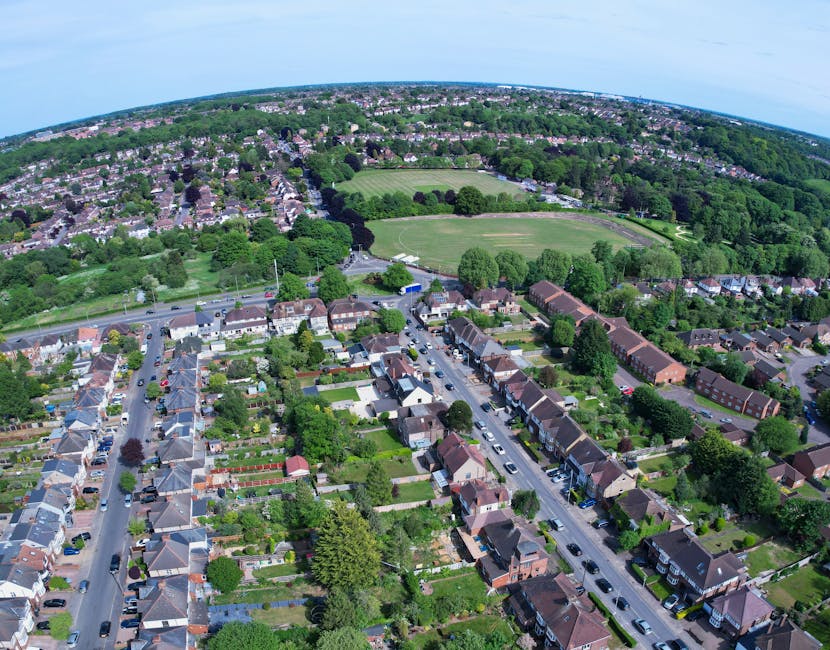
Gardeners for narrow access and tight plots in Alperton estates
If you live in one of Alperton's estates, you'll know the garden can be a bit of a puzzle. The space might be modest, the access awkward, and the only route through the building could be a side gate that barely swings open. That is exactly where Gardeners for narrow access and tight plots in Alperton estates make a real difference. The job is not just about cutting grass or trimming a hedge; it's about working neatly, safely, and efficiently in spaces that don't exactly welcome bulky equipment.
In practice, this means choosing the right tools, planning the route in and out, protecting shared paths and communal areas, and knowing how to keep disruption low. It also means understanding estate living: neighbours nearby, limited storage, parking that can be tricky, and a strong need for tidy results. This guide walks through how narrow-access gardening works, who it suits, what to watch out for, and the best ways to get good results without turning a small garden into a long day of faff.
Why Gardeners for narrow access and tight plots in Alperton estates Matters
Small or awkwardly placed gardens are easy to underestimate. On paper, a tight plot sounds simple. In reality, narrow passages, shared entrances, stepped access, basement-level rear gardens, or fencing squeezed between buildings can make even routine work more involved than people expect. You cannot always wheel in a full-size mower, load in a pile of bags, or turn a long-handled tool around without catching a wall, a planter, or a neighbour's bin.
That is why specialist narrow-access gardening matters. It reduces damage, saves time, and prevents the kind of inefficiency that happens when someone arrives with the wrong setup and spends half the visit fighting the site. To be fair, it is not glamorous work. But in a tight Alperton estate garden, good preparation usually matters more than flashy equipment.
There is also a community aspect. Estate gardens often sit close to windows, footpaths, bin stores, and shared access routes. A careful gardener keeps noise controlled, avoids blocking entrances, and clears up properly at the end. That respect for the space is part of the service, not an optional extra.
Expert summary: Narrow-access gardening is about more than fitting through a gate. It is about working intelligently in constrained spaces, minimising disruption, and achieving a clean finish without creating problems for residents, neighbours, or managing agents.
How Gardeners for narrow access and tight plots in Alperton estates Works
The process usually starts with assessing how the garden is reached and what the working area actually looks like. In a narrow-access setting, the first question is often not "what needs doing?" but "how do we get there safely and cleanly?"
For estate gardens, a typical visit may involve:
- measuring gate widths and checking turning space
- identifying steps, slopes, or uneven surfaces
- planning where cuttings, waste, and tools will be stored during the job
- choosing smaller, lighter equipment where needed
- protecting communal routes, paving, and planted edges
- working in a sequence that avoids repeated back-and-forth through tight areas
That planning can sound fussy, but it prevents the usual headaches. A narrow path with a wheelbarrow, wet clippings, and a passer-by is a recipe for a messy afternoon. Better to stage the work in the right order and keep movement down.
Depending on the garden, the work may include lawn mowing, hedge trimming, border tidying, pruning, planting, or full garden clearance. If the plot is overgrown or has been neglected for a while, teams may begin with garden clearance before moving on to maintenance or landscaping. For ongoing upkeep, many residents also prefer a regular garden maintenance plan so the space never gets out of hand in the first place.
And yes, access can change the whole tone of the job. A simple trim in an open garden becomes a logistical task when everything has to be carried through a side alley with one person holding the gate and the other trying not to drop shears on the gravel. Not ideal, but manageable with the right approach.
Key Benefits and Practical Advantages
The obvious benefit is that the garden gets looked after properly. But there are a few more practical gains worth spelling out, especially in estate settings where space is limited and shared areas matter.
- Less disruption: careful planning reduces noise, mess, and repeated trips through narrow routes.
- Better finish: smaller tools and hand-finishing often produce cleaner edges in tight gardens.
- Reduced risk of damage: walls, railings, paving, and communal paths are less likely to be scratched or chipped.
- More efficient waste removal: cuttings and debris are bagged or stacked in a way that suits the access route.
- Safer working conditions: the team can move confidently instead of improvising around cramped corners.
There is also a subtle benefit that people sometimes miss: a narrow garden often looks better after a well-planned tidy-up than a larger one does after a rushed visit. Small spaces show detail. One missed edge, one overgrown shrub, one awkward pile of leaves, and the whole plot feels untended. Fix those little things and the space suddenly reads as calmer and more spacious.
If you are considering more than basic maintenance, it may be worth looking at landscaping services or landscape gardening to make the layout work better for a restricted plot. In a tight estate garden, a good layout can save more time and effort than any single tool ever will.
Who This Is For and When It Makes Sense
This kind of service suits a surprisingly wide range of people. If your garden has awkward access, limited width, or a layout that makes ordinary maintenance harder than it should be, you are probably in the right category already.
It tends to make sense for:
- flat or maisonette gardens reached through side passages
- estate properties with shared access routes
- courtyard gardens with limited turning space
- rear gardens reached only through the house or a narrow corridor
- plots with steep steps, narrow gates, or tight bin-store access
- small urban gardens where storage and waste handling are tricky
It is also a good fit if you have tried doing the work yourself and found that the access slows everything down. That is usually the point where people realise the garden is not the problem on its own; the access is. And once you see it, you cannot unsee it.
People often ask whether a tight plot is "too small" for professional help. Usually, no. In fact, small gardens can benefit most because they need careful, regular attention rather than occasional heroic effort. If the space is compact and a bit overgrown, help from a gardener can turn it from stressful to manageable very quickly.
Step-by-Step Guidance
If you are arranging work for a narrow-access garden in an Alperton estate, here is a sensible way to think about the process.
1. Check the access route
Measure the gate, alley, side passage, or hallway that the team will need to use. Notice low walls, awkward corners, and any loose paving. If the route is tight, say so early. It saves time later, and nobody enjoys a surprise squeeze through a half-open gate with a hedge trimmer.
2. Explain the garden's priorities
Is the main issue overgrown shrubs, a patchy lawn, excess leaf fall, or just a general tidy-up? A good plan depends on the outcome you want. If the garden is left to get on with itself for a while, a lawn mowing visit alone may not be enough. You may need hedge work, pruning, or clearance first.
3. Identify shared-space considerations
Estate work often involves shared pathways, bins, car parks, or access doors. Let the gardener know where they can park, unload, and stage waste. Small detail, big difference.
4. Choose the right equipment mix
For tight plots, smaller mowers, hand shears, compact pruners, lightweight blowers, and bagged waste handling may be preferable to heavy-duty kit. The aim is not to use the biggest machine. The aim is to use the right one.
5. Start with the messiest area first
If the garden is cluttered or heavily overgrown, deal with the worst section before finer detailing. That way, debris is removed efficiently and the garden becomes easier to move around as the job progresses.
6. Finish with a full tidy-down
This matters a lot in narrow-access settings. Paths should be swept, tools removed carefully, waste checked, and gates closed properly. A neat exit is part of the service. Always has been.
Expert Tips for Better Results
Here are a few practical tips that make a real difference in estate gardens with limited access.
- Keep the access route clear before the visit. Move bikes, bins, plant pots, and anything loose that could block passage.
- Work from the outside in. Tidy perimeter growth first so movement improves as the job continues.
- Ask for a maintenance rhythm. Small plots often stay better with lighter, more frequent care rather than big seasonal overhauls.
- Choose low-spread plants for future planting. Sprawling species can quickly become a nuisance in confined spaces.
- Think about waste volume before cutting. In a narrow garden, every bag has to travel the same awkward route out, so disposal planning matters.
- Use light-handed pruning where possible. Over-pruning can make a tight plot feel bare and harsh. A softer shape usually works better.
One practical observation from real-world work: the best-looking small gardens often have the simplest structure. A clean edge, a well-kept lawn, a manageable hedge, and one or two thoughtful features are usually enough. You do not need to pack every inch with plants. In a small estate plot, restraint is often the stylish option.
If you are adding new features, it can help to look at decking services if the aim is to create a usable seating area without overcrowding the space. In a compact garden, one well-built zone can be more useful than two half-finished ones.
Common Mistakes to Avoid
Most problems in narrow-access gardens come from poor planning rather than poor gardening skill. The list below is the usual troublemaker set.
- Ignoring access width until the team arrives. This is the big one. It can change the whole job plan.
- Assuming standard equipment will fit. A mower that works perfectly in a front garden may be useless down a tight side passage.
- Leaving waste strategy until the end. If cuttings pile up, movement becomes harder and the job slows down.
- Overcrowding the plot. Too many features can make a compact garden feel smaller and harder to maintain.
- Choosing plants that outgrow the space. Fast-growing shrubs can create constant trimming work in an estate garden.
- Forgetting neighbours and shared areas. Noise, mess, and blocked access create avoidable friction.
Another mistake is trying to make every garden look like a big suburban showpiece. Let's face it, not every plot has room for a sweeping border or a chunky water feature. The better question is: what would make this space easier to live with? Usually, that answer is simpler than people expect.
Tools, Resources and Recommendations
Good narrow-access gardening relies on fit-for-purpose tools. Not necessarily exotic ones, just the right size and type for the job.
| Task | Best-fit approach in narrow access | Why it helps |
|---|---|---|
| Lawn care | Compact mower or hand finishing where needed | Easier to manoeuvre through tight routes and around edges |
| Hedge trimming | Lightweight trimmers and careful waste bagging | Reduces strain and avoids overfilling narrow passageways |
| Garden clearance | Section-by-section removal | Keeps access open and prevents clutter |
| Pruning and shaping | Hand tools and measured cuts | More control in confined beds and borders |
| Design changes | Simple, low-maintenance layout ideas | Improves long-term usability in small plots |
For routine upkeep, it can also help to pair practical visits with hedge trimming and regular lawn mowing so growth never gets ahead of the access constraints. That sounds obvious, but small gardens can go from tidy to messy quicker than you think, especially in spring and early summer.
If the whole space has become cluttered, then a clear-out first may be the right move before any finer work begins. In those cases, garden clearance can reset the garden and make later maintenance much easier.
Law, Compliance, Standards, or Best Practice
This topic is not usually about heavy regulation, but there are still important standards and duties to keep in mind. In the UK, gardeners and property owners should think carefully about safety, waste handling, and respect for shared spaces. In estate settings, that usually means operating in line with site rules, taking care around communal areas, and keeping walkways usable.
Good practice typically includes:
- using equipment safely and appropriately for confined areas
- avoiding obstruction of fire exits, shared entrances, or access routes
- reducing slip risks by clearing cuttings and loose debris
- handling green waste responsibly
- being clear about what work is included before the visit begins
If a team is working close to trees, tall hedges, or awkward boundary growth, extra care matters. For larger or riskier tree work, it may be better handled through a service such as tree lopping and removal, especially where overhanging branches or deadwood could affect access and safety.
It is also wise to check that any contractor is properly insured and clear about site safety procedures. You can usually learn more by reviewing a company's insurance and safety approach and their health and safety policy. That is not overcautious. It is just sensible, particularly when work is being done close to residents and shared property.
Options, Methods, or Comparison Table
Not every narrow garden needs the same kind of help. The best approach depends on whether the aim is maintenance, recovery, or a full layout change.
| Approach | Best for | Pros | Trade-offs |
|---|---|---|---|
| Regular maintenance | Gardens that are mostly under control | Prevents overgrowth, keeps access easy, cheaper to manage over time | Needs consistency |
| One-off tidy-up | Plots that have slipped for a while | Quick visual improvement, good reset point | Can become costly if repeated too often |
| Clearance then maintenance | Overgrown or cluttered estate gardens | Restores access and sets up longer-term care | Takes more initial effort |
| Layout improvement | Small gardens that feel cramped or awkward | Makes the plot easier to use and easier to maintain | Requires planning and usually more budget |
In many Alperton estate gardens, the strongest long-term choice is a mix of clearance, maintenance, and a small amount of practical layout work. A garden does not need to be reinvented. Often it just needs to breathe a bit.
Case Study or Real-World Example
Here is a realistic example. A resident on an estate in Alperton has a small rear garden reached only through a narrow side passage. The lawn is patchy, the hedge has started leaning into the path, and the back corner has become a storage spot for old pots and broken planters. Nothing dramatic, but it feels chaotic.
The first step is a clearance visit. Waste is sorted in manageable loads so the route stays open. The hedge is cut back carefully rather than aggressively, because the plant needs to keep some shape and privacy. The lawn is then cut with a compact machine or tidy hand finishing around edges. A few small changes are made to the layout: the clutter corner is removed, one narrow bed is simplified, and the access route is kept visibly clear.
The difference is not that the garden suddenly becomes large. It does not. But it becomes calmer, easier to walk through, and much easier to maintain the next time. That is the real win. A tight garden that is easy to look after is worth far more than a cramped one that looks impressive for five minutes and then becomes a burden.
Practical Checklist
Use this checklist before booking or during a site visit. It helps keep things smooth and avoids the usual access-related surprises.
- Confirm the exact access route to the garden
- Measure gates, side passages, and any narrow corners
- Tell the gardener about steps, slopes, or uneven ground
- Let them know if waste needs to pass through communal areas
- Remove bikes, bins, plant pots, and loose items from the route
- Decide whether the work is maintenance, clearance, or improvement
- Point out any fragile paving, edging, or shared surfaces
- Ask how green waste will be handled and removed
- Check whether the team can work at times that suit neighbours and residents
- Make a note of any follow-up care the garden will need
Checklist done? Good. That small bit of prep often saves a surprisingly large amount of time.
Conclusion
Gardeners for narrow access and tight plots in Alperton estates are not just about convenience. They are about making difficult spaces workable, tidy, and genuinely pleasant to use. In a compact estate garden, the right approach can improve access, reduce maintenance stress, and protect shared areas from avoidable wear and mess.
Whether your plot needs a one-off clear-up, a regular maintenance rhythm, or a more thoughtful redesign, the key is to plan for the access as carefully as you plan for the planting. That is where the best results come from. Quietly, neatly, and without drama. Which, honestly, is exactly what most small gardens need.
If you want to understand the wider service range, you can also review the services overview or learn more about the team on the about us page. When you are ready to move forward, the next step is simple.
Get a free quote today and see how much you can save.
Frequently Asked Questions
What counts as narrow access for garden work?
Narrow access usually means any route where standard tools, larger mowers, or waste bags are awkward to carry in and out. That might be a side passage, a shared estate walkway, a steep step route, or a gate that leaves very little room to manoeuvre.
Can gardeners work in very small estate gardens?
Yes. In many cases, small gardens are actually easier to improve because the work area is contained. The main challenge is not size alone but access, waste handling, and choosing the right tools for the route available.
Do narrow-access gardens need special equipment?
Usually, yes. Compact mowers, hand tools, lightweight trimmers, and careful waste bagging often work better than large machines. The aim is to keep movement efficient without damaging paths, walls, or planting.
Is a one-off clearance enough for an overgrown tight plot?
Sometimes it is, but often it is only the first step. If the garden keeps growing back quickly, a follow-up maintenance plan is usually the better long-term choice. Otherwise, you end up doing the same reset again later.
How do I prepare my estate garden before the gardeners arrive?
Clear the access route, move loose items, and let the team know about any shared spaces, steps, or awkward corners. If there are bins, bikes, or storage items in the way, shifting them beforehand makes the visit much smoother.
Can narrow-access gardening include hedge trimming and lawn care?
Absolutely. In fact, those are two of the most common tasks in tight plots. Services such as hedge trimming and lawn mowing are often at the heart of maintaining compact estate gardens.
What if my garden has too much waste to carry out easily?
That is where staged clearance helps. Waste can be removed in sections so the route stays open. If the space is heavily cluttered or overgrown, a dedicated garden clearance visit may be the best starting point.
Are narrow-access garden jobs more expensive?
They can be, depending on how much time and planning the access requires. But not every tight garden is costly. Simple, well-planned visits may be quite manageable. The main cost driver is usually complexity, not just size.
How often should a tight estate garden be maintained?
That depends on growth rates and the look you want. Many compact gardens do better with regular maintenance because small spaces show changes quickly. A little often is usually easier than a lot all at once.
Can landscaping help a tight plot feel bigger?
Yes. Smart layout choices, simple paving, better planting structure, and features such as modest decking can make a small garden feel more usable. That is where landscape gardening and decking services can be genuinely useful.
Do gardeners need permission to work in shared estate areas?
Often they simply need to follow the estate's access rules and site arrangements. If there are managed communal spaces, it is wise to check practical access expectations in advance so the work does not interfere with neighbours or shared routes.
How do I know if a gardener is suitable for narrow access work?
Look for someone who asks about access before the visit, talks sensibly about equipment size, waste handling, and safety, and does not promise everything without seeing the layout. Good questions early on are usually a very good sign.
What should I ask for when booking garden help in Alperton estates?
Ask how they will access the garden, what equipment they plan to use, how waste will be removed, and whether they recommend maintenance, clearance, or a longer-term improvement approach. Clear answers usually mean a smoother job.
Where can I find more detail about pricing and service options?
A useful place to start is the pricing and quotes page, which can help you understand how different job types are typically approached. For service boundaries and expectations, the terms and conditions page is also worth a look.