Alperton pocket garden solutions from local gardeners
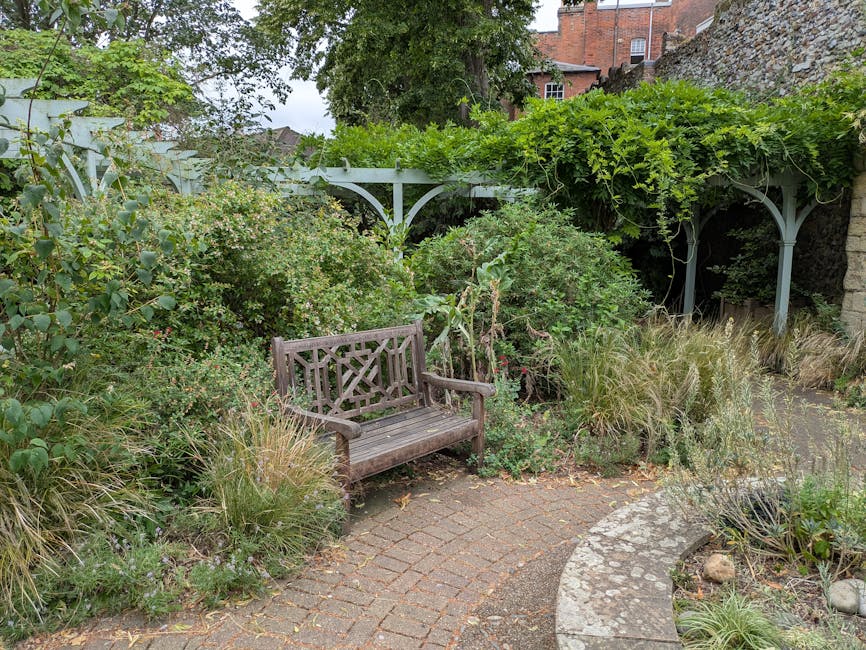
Small outdoor spaces can be the best kind of challenge. A narrow strip beside a path, a compact front patch, a tiny back yard that never quite gets enough sun, or a slightly awkward corner that collects clutter more than charm - all of these can be turned into something genuinely useful. That is the heart of Alperton pocket garden solutions from local gardeners: making modest spaces feel calmer, greener, and easier to live with, without pretending they are something they are not.
Truth be told, pocket gardens are often where good design matters most. There is less room for guesswork, and every plant, slab, border edge, and storage choice has to earn its place. Local gardeners who work in Alperton tend to understand that balance well. They know the pace of London weather, the realities of shared boundaries, the need for privacy in tight residential streets, and the practical limits of maintenance. This guide walks through how pocket garden solutions work, what to ask for, where the common pitfalls are, and how to get a result that feels finished rather than merely filled.
Whether you want a neat planting scheme, a low-maintenance courtyard, a cosy seating spot, or a small garden that looks better all year, the right approach starts with clear priorities. That is where local knowledge helps. A good gardener does not just "plant things"; they shape the space so it actually functions.
Why Alperton pocket garden solutions from local gardeners Matters
In a place like Alperton, space tends to work hard for its living. Gardens are often compact, overlooked, or split between practical uses: bins, bikes, washing lines, storage, and somewhere to sit if the weather behaves itself. That means the usual "just tidy it up" advice rarely goes far enough. A pocket garden needs structure, not just decoration.
Why does local experience matter so much here? Because small gardens react quickly to poor choices. A plant that gets too large can swallow a patio edge in one season. A badly placed screen can make a narrow space feel boxed in. Even simple things like paving colour, drainage, and shade patterns can change how the garden feels day to day. Local gardeners bring a grounded understanding of these issues, and that practical eye is worth a lot.
There is also the human side. Pocket gardens are often visible from the home more than they are used as "gardens" in the traditional sense. You see them from the kitchen, the back door, or a side window. If the view is cluttered or unfinished, it quietly affects how the home feels. If it is well arranged, the whole place settles down a little. Not dramatic. Just better. And sometimes that is enough to make the space feel like it belongs to you again.
If you are comparing broader options for outdoor work, it can help to start with a service overview and move from there. Many homeowners begin by looking at the full range of gardening services before deciding whether the job needs planting, maintenance, clearance, or a more complete redesign.
How Alperton pocket garden solutions from local gardeners Works
A good pocket garden project usually begins with observation. Not exciting, perhaps, but essential. Before anyone lifts a spade, the gardener needs to understand the site: how much light it gets, where water sits after rain, how the boundaries behave, whether the soil is tired or compacted, and how you actually want to use the space. That first walk-around tells you far more than a quick sketch ever will.
From there, the solution is shaped around function. In a small garden, there is rarely room for everything, so the plan has to prioritise. Do you want privacy? A sitting area? Better planting? Easier upkeep? Storage hidden from view? The answer often becomes a blend of two or three goals rather than one big statement piece. That is not a compromise. It is smart design.
Typical pocket garden work can include:
- clearing old growth, broken pots, or overcrowded beds
- reshaping borders so they look intentional rather than leftover
- adding layers of planting for texture and seasonal colour
- improving drainage or soil quality where needed
- installing compact seating, stepping stones, or low screen features
- introducing maintenance-friendly materials and edging
Local gardeners also tend to think in terms of movement. Where do you walk? Where do you pause? What do you see first? In a pocket garden, those details matter more than people expect. A path that is 20cm too tight can make the whole area feel awkward. A planter that sits in the wrong place can block the view from the house. Small space, big consequences. That is the game.
If the garden is being transformed more broadly, some clients combine pocket-garden planting with structural work such as landscaping or even targeted decking services to create a more usable surface for seating, pots, or a compact outdoor dining area.
Key Benefits and Practical Advantages
The value of a pocket garden solution is not only visual. It is practical. You notice it when you step outside and there is somewhere to put your feet without dodging clutter. You notice it when the planting looks healthy rather than thirsty and tired. You notice it on a damp Tuesday in October, when the garden still feels neat enough to enjoy even if no one is hosting anything.
Here are the main advantages people usually care about most:
- Better use of space: small gardens stop feeling like awkward leftovers and start doing a proper job.
- Lower maintenance: with the right planting and layout, upkeep becomes much more manageable.
- Improved privacy: careful screening and layered planting can reduce that exposed, overlooked feeling.
- More visual calm: tidy edges, repeated materials, and restrained planting palettes make the garden feel settled.
- Higher everyday enjoyment: the space becomes somewhere you actually want to look at, and use.
There is also a quieter benefit: confidence. A lot of people put off their garden because it feels too small to be worth investing in. But that is exactly backwards. Small spaces are often the ones that benefit most from thoughtful design, because the difference is immediate. A messy pocket garden becomes a deliberate one. A dull one becomes welcoming. Easy to say, of course, but the before-and-after can be striking.
For homeowners trying to keep costs sensible, it helps to understand where the spend is going. A well-planned project reduces waste, and local gardeners can often suggest phasing the work so the garden improves in stages rather than all at once. If you are at the comparison stage, you may also want to review pricing and quotes alongside the practical scope, because the cheapest option is not always the one that gives the best long-term result.
Who This Is For and When It Makes Sense
Not every garden needs a full redesign. Sometimes a tidy-up and a few smart changes are enough. But pocket garden solutions make particular sense if your outdoor space is small, exposed, messy, underused, or simply hard to maintain. That is the honest version.
This approach is especially useful for:
- homeowners with compact back gardens or narrow front plots
- landlords wanting the space to look presentable and durable
- busy households that need low-maintenance outdoor living
- people who want privacy without building a heavy, boxed-in feel
- gardeners who are tired of a space that feels cluttered every season
It also makes sense if the garden has become a storage area by accident. We have all seen it: one chair, then a broken planter, then a stack of odds and ends, and suddenly the whole thing is a bin with plants. A local gardener can help reset the space so it serves a purpose again. That may mean clearing out dead material, reducing visual noise, and choosing a structure that is easier to keep on top of.
In some cases, the best first step is not planting at all. It is clearance. If the garden is heavily overgrown or simply full of unwanted debris, a proper garden clearance can create the clean base needed before any pocket-garden design really works. No point dressing a room before you have cleared the floor. Same idea.
Step-by-Step Guidance
If you want a pocket garden that feels intentional, the process usually works best in stages. Rushing straight to plants is tempting, but it often leads to a busy, fragile result. A more measured approach gives better balance and fewer regrets. That part matters.
- Assess what the space really does. Walk through it at different times of day. Notice sunlight, shade, drainage, and the routes people actually take.
- Choose the main purpose. Is this a calm seating area, a stylish green view, a practical family space, or a mix? Pick the leading job first.
- Clear and simplify. Remove clutter, dead growth, and anything that competes with the main layout. In small gardens, less is usually more.
- Set the structure. Define edges, paths, seating, or raised elements before thinking about planting details.
- Select a planting palette. Use a few well-chosen plants rather than many unrelated ones. Repetition helps small spaces feel calm.
- Plan for maintenance. Make sure access is realistic and that plants will not outgrow the space too quickly.
- Review after a few weeks. Small gardens often reveal their weaknesses once life starts happening in them. A slight tweak can make a big difference.
A useful rule of thumb: if a feature does not earn its place visually or practically, leave it out. There is no medal for cramming the most ideas into the fewest square metres. Honestly, a restraint-based design often looks more expensive than a crowded one.
For ongoing care once the layout is established, many people pair the initial work with regular garden maintenance so the garden stays neat, hydrated, and manageable instead of slowly drifting back into chaos. It is much easier to keep a good structure than to rescue a neglected one every year.
Expert Tips for Better Results
Here is where local experience really shows. Pocket garden work is full of little decisions that do not sound important until they are wrong. Get them right, and the space feels calm. Get them wrong, and the garden can look busy, dark, or oddly unfinished.
Think in layers, not just in plants
A strong pocket garden usually needs a base layer, a middle layer, and a top layer. That might mean paving or decking below, shrubs and structural planting in the middle, and taller screening or focal plants above. Without that depth, the space can feel flat. A bit like a room with only one piece of furniture in it.
Repeat materials and plant types
Repetition is a friend in small spaces. Using the same edging material, a limited number of plant species, or a consistent pot style helps the eye settle. You do not need ten different textures fighting for attention. Two or three strong ones are often enough.
Leave breathing room
Many pocket gardens fail because every inch is used. Yet some empty space is what makes the planted areas feel deliberate. A small patch of clean paving, a simple bench, or a quiet corner can actually make the planting look better. That little bit of pause matters.
Choose plants for behaviour, not just appearance
In small gardens, plant behaviour matters more than flower colour. How tall will it get? Does it spread? Will it flop in wind? Does it need a lot of light? A pretty plant that constantly outgrows the space becomes a chore. Better to choose things that stay tidy and predictable.
Use privacy lightly
In Alperton, as in many built-up parts of London, people often want screening without creating a heavy wall effect. Slatted screens, trellis with climbing plants, or carefully placed tall containers can help. The trick is to soften sightlines, not close the space in completely.
Sometimes the best advice is the simplest one: stand at the back door and look out. If the eye immediately lands on clutter or a dead corner, that is the first thing to fix. Small gardens tell you what is wrong almost instantly if you pay attention. They really do.
Common Mistakes to Avoid
Small gardens are forgiving in some ways and brutally honest in others. If a plan is off, you will notice it every time you step outside. Here are the errors local gardeners see again and again.
- Overplanting: too many species or too many large plants can make the garden feel crowded and high-maintenance.
- Ignoring drainage: even a tiny dip can become a muddy nuisance after rain.
- Choosing style over function: a lovely feature is not much use if it blocks access or makes maintenance awkward.
- Forgetting scale: oversized pots, heavy furniture, or broad paving patterns can overwhelm a pocket-sized plot.
- Leaving no access for upkeep: if you cannot reach a bed comfortably, it will become a problem later.
- Mixing too many finishes: a patchwork of materials can make a small garden look messy fast.
One common misstep deserves special mention: people often assume a tiny garden should be planted as densely as possible to hide the boundaries. In reality, that can backfire. Dense planting needs editing, and if the structure is weak, the whole area can feel fussy. A simpler, better-shaped scheme nearly always ages more gracefully.
And yes, there is usually a temptation to solve everything with pots. Pots are useful. Very useful. But if the whole garden depends on them, upkeep can become a weekly shuffle of watering and rearranging. Charming in theory. A bit much in practice.
Tools, Resources and Recommendations
Good pocket garden work often relies on a fairly simple toolkit, but the quality of the approach matters more than the number of tools. A skilled local gardener will usually bring the essentials and know when a job needs something more specialised. For homeowners, it helps to understand what is typically involved.
| Need | Useful tools or resources | Why it helps in a pocket garden |
|---|---|---|
| Clearing and reset | Hand tools, bags, pruning tools, wheelbarrow access | Removes clutter and opens up the site before design work begins |
| Planting | Trowels, compost, soil improver, plant supports | Helps plants establish properly and stay upright in tighter spaces |
| Edging and definition | Edging strips, sleepers, bricks, gravel borders | Makes the layout look finished and easier to maintain |
| Screening | Trellis, canes, climbing supports, compact hedging | Improves privacy without overloading the space visually |
| Maintenance | Shears, secateurs, mulch, watering plan | Prevents the garden from becoming high-effort after the initial refresh |
Some of the most useful "resources" are actually process-based. A clear plan, a realistic budget, and a willingness to phase the work can do more for a pocket garden than expensive materials. If you are comparing methods, it may help to speak with local gardeners who can explain the trade-offs plainly rather than selling you the biggest possible job.
For people who want a broader view of the company and its working approach before deciding, the about us page can help set expectations. And if you are looking at related care requirements, the site's insurance and safety information and health and safety policy are sensible places to check. Not glamorous, but reassuring. Which, to be fair, is exactly what you want sometimes.
Law, Compliance, Standards, or Best Practice
Most pocket garden work is straightforward, but there are still practical standards and common-sense checks to keep in mind. If the work involves boundary changes, shared access, trees, significant digging, or disposal of waste, it is worth handling things carefully and discussing them early. In built-up areas, neighbours and shared boundaries can matter more than people expect.
Good practice usually means:
- checking whether any boundary features need agreement before alteration
- making sure waste is removed responsibly, especially if the project creates a lot of green waste or old hard landscaping
- keeping work safe and manageable around access routes
- avoiding plants or structures that create avoidable nuisance for neighbours
- using insured, competent contractors for heavier or riskier work
If trees are involved, especially larger specimens or anything close to a boundary, specialist judgment may be needed. The same goes for major clearing, stump issues, or pruning that is more than routine shaping. A cautious approach is usually the right one. It saves awkward conversations later.
On the sustainability side, many homeowners now prefer garden solutions that reduce waste and improve long-term resilience. That might mean reusing existing materials where suitable, choosing hardier planting, or planning for less water demand. If that matters to you, the site's recycling and sustainability information is worth a look before you begin.
Best practice in a pocket garden is not about perfection. It is about making sensible decisions that are safe, durable, and considerate. Simple as that.
Options, Methods, or Comparison Table
Different pocket garden solutions suit different priorities. Some people want a polished social space, while others mostly want low effort and better views from indoors. Below is a straightforward comparison that may help you decide what fits best.
| Approach | Best for | Strengths | Watch-outs |
|---|---|---|---|
| Plant-led refresh | People who want softness and colour without major building work | Quick visual impact, relatively flexible, good for seasonal interest | Can become maintenance-heavy if the planting is too ambitious |
| Clear-and-structure method | Overgrown or cluttered gardens that need a reset | Creates order, improves access, gives a strong base for future planting | Can feel bare until planting fills in |
| Hardscape-first layout | People who need seating, a clean patio, or easier movement | Durable, practical, often easier to maintain | Needs careful softening so it does not feel too hard or stark |
| Mixed pocket garden solution | Most homes wanting a balanced result | Combines structure, planting, and usability well | Requires thoughtful planning to avoid visual clutter |
In many Alperton homes, the mixed approach is the strongest choice because it respects the realities of a smaller site. Some structure, some planting, some breathing room. That combination tends to age better than a one-note design.
Case Study or Real-World Example
Here is a realistic example, not a fantasy transformation with fairy lights and instant perfection. A small rear garden in Alperton had become a bit of everything: a narrow slab path, patchy planting, a shed corner that dominated the view, and a border that had been left to thicken until it was swallowing itself. Nothing disastrous. Just tired.
The homeowner wanted three things: a cleaner view from the back door, a small seating spot for morning tea, and a garden that would not become a monthly burden. A local gardener started with clearance, taking out the dead material and cutting back the overgrowth. Then the layout was simplified so the eye could move naturally from house to seating area to planting. A couple of structural pots were added, alongside a compact planting scheme with repeated forms rather than lots of mixed species. The result was not huge, but it felt organised and calm.
What made the difference was not any single dramatic feature. It was the sequence. Clear first. Then shape. Then planting. Then the easy bits: mulch, tidy edges, small finishing touches. By late afternoon, the garden already felt more useable. A week later, after watering and settling, it looked even better. You could almost hear the space exhale a little.
In cases like this, local experience helps because the gardener understands what a small London garden needs to feel good in daily life, not just in a photo. And that is really the point. The best pocket garden is one that fits your routine, your light, and your patience level.
Practical Checklist
Before you book work or start planning your own pocket garden, run through this list. It will save time, and probably a few headaches too.
- Do you know what the garden must do most: sit, look good, store things, or stay low-maintenance?
- Have you checked how much sun, shade, and wind the space gets?
- Is the area clutter-free enough to assess properly?
- Do you need clearance before any design work begins?
- Have you thought about drainage and how water leaves the space?
- Are the chosen plants suitable for the garden's light and size?
- Will you be able to reach and maintain every part of the plan?
- Do the materials and finishes suit the scale of the garden?
- Have you considered privacy without closing the space in?
- Have you set a realistic budget and decided whether to phase the work?
Practical summary: the best Alperton pocket garden solutions are usually the simplest ones done well - clear the space, define its purpose, choose restrained planting, and make sure the design is easy to live with. Fancy is optional. Functional is not.
For homeowners ready to move from ideas to action, it is worth speaking with a local team that understands compact outdoor spaces and can guide you through scope, materials, and timing. If you want to discuss your own garden and see what is realistic, start with the practical details and build from there.
Get a free quote today and see how much you can save.
Conclusion
Alperton pocket garden solutions from local gardeners are at their best when they respect the size of the space instead of fighting it. That means thoughtful layout, careful planting, sensible maintenance planning, and honest decisions about what the garden really needs. When those pieces come together, even a tiny outdoor area can feel calmer, smarter, and far more useful.
The good news is that small gardens are often more responsive than large ones. A few right moves can change everything. You do not need a grand budget or a sprawling plot. You need a clear plan, a steady hand, and a feel for proportion. The rest follows.
If your garden has been niggling at you for a while, that is usually a sign it is ready for attention. And once it is sorted, you may be surprised how much lighter the whole home feels. Strange, perhaps, but true.
Sometimes the right garden is not the biggest one - just the one that finally fits.
Frequently Asked Questions
What are pocket garden solutions in a small London home?
Pocket garden solutions are practical ways of improving a compact outdoor space so it works better for everyday life. That can mean better planting, improved layout, more privacy, easier maintenance, or a mix of all four. In a London setting, the aim is usually to make the space feel calmer and more usable without overcrowding it.
Why should I use local gardeners for an Alperton pocket garden?
Local gardeners tend to understand the area's housing styles, space constraints, and day-to-day gardening realities. They are more likely to suggest practical solutions that suit small urban plots, rather than generic ideas that look nice on paper but do not quite work outside the front or back door.
How do I make a tiny garden feel bigger?
Use simpler lines, fewer materials, and repeated planting. Try to keep the layout open enough for the eye to move through it. Light paving, layered planting, and a clear focal point can all help. Too many features usually make a small space feel smaller, not larger.
Is clearance always needed before pocket garden work?
Not always, but it is often the best starting point if the garden is overgrown, cluttered, or hard to assess. Clearance gives you a clean base and makes it easier to judge what should stay, what should go, and what the garden can realistically become.
What plants work well in a pocket garden?
The best plants are usually compact, hardy, and suitable for the amount of light the garden gets. Think in terms of structure and behaviour as much as appearance. Plants that stay tidy, respond well to pruning, and do not spread aggressively are often the safest choice.
How much maintenance does a pocket garden need?
That depends on the design. A well-planned pocket garden should be easier to maintain than a cluttered one, especially if the planting is chosen carefully. Low-maintenance does not mean no maintenance, though. Regular light care usually works better than occasional big rescue sessions.
Can a pocket garden include seating space?
Yes, absolutely. In fact, seating is often one of the best uses for a pocket garden if the space is arranged well. Even a small bench, fold-away chair area, or compact patio zone can make the garden feel purposeful and enjoyable.
Do I need landscaping work, or just planting?
If the garden lacks structure, has awkward levels, or needs a better surface to walk and sit on, landscaping may be the better first step. If the space is basically sound and only looks tired, planting and maintenance may be enough. A good local gardener can help you tell the difference.
What should I ask a gardener before booking?
Ask how they would approach the space, what they think the main priorities should be, how they handle access and waste, and whether they recommend phasing the work. It is also sensible to ask about insurance, safety, and what is included in the quote so there are no surprises later.
How do I keep a pocket garden from looking cluttered?
Choose a limited palette of materials and plants, leave some open space, and avoid adding too many separate features. Small gardens benefit from restraint. If every corner is trying to say something different, the garden stops feeling calm.
Is it worth improving a very small garden?
Usually, yes. Small gardens often give the biggest improvement for the effort because changes are immediately visible. A better layout, cleaner edges, and smarter planting can transform how the whole home feels. It does not need to be large to be worthwhile.
How do I get started with Alperton pocket garden solutions from local gardeners?
Start by looking honestly at what the garden needs most: clearing, structure, planting, privacy, or maintenance. Then speak with a local gardener who works with compact spaces and can help you prioritise. A good first conversation is often enough to turn a vague idea into a workable plan.